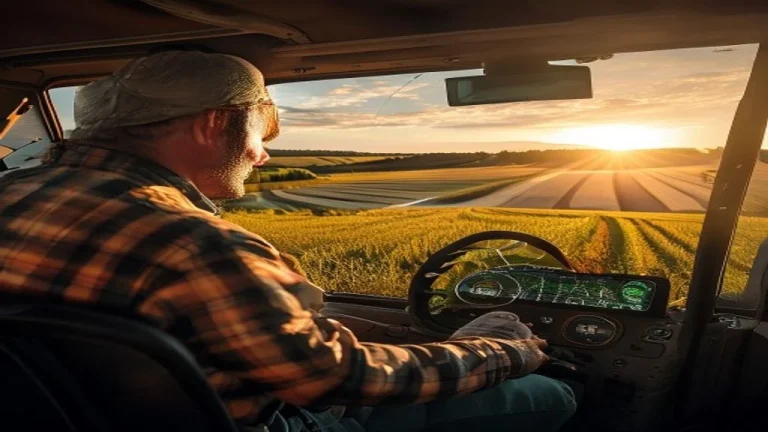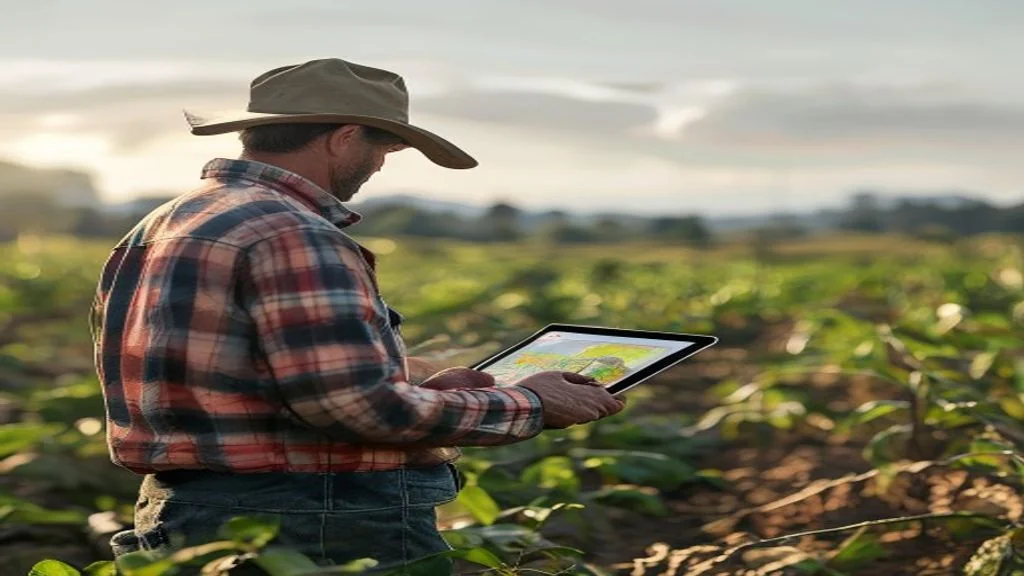
Farmers can now predict crop disease 3 weeks before it appears, potentially saving entire harvests from devastating losses and months of hard work. This capability isn’t science fiction; it’s the tangible reality emerging from the blend of Edge AI and IoT sensors, allowing for unprecedented foresight and proactive farm management directly on the field. This shift empowers every Farmer to make crucial decisions with data-driven confidence, transforming uncertainty into strategic advantage.
The fundamental shift for farmers lies in moving from a largely reactive approach to an intensely proactive and precise one. Historically, issues like pest infestations, nutrient deficiencies, or water stress often became apparent only after visible damage, by which point intervention was typically more expensive and less effective. With Edge AI agriculture and integrated IoT sensors, real-time data collection and on-site analysis are now possible. Instead of sending samples to a lab and waiting days for results, or relying on visual inspections, a Farmer now has a network of digital eyes and ears across their fields, constantly monitoring critical environmental and plant health metrics. This constant stream of data – from soil moisture and temperature to plant spectral analysis – is processed right where it’s collected, reducing latency. An AI tool can detect minute changes in plant vigor or early signs of pathogen activity almost instantaneously. The daily work of a Farmer is becoming less about exhaustive manual checks and more about interpreting actionable insights. It’s a transition to precision agriculture, allowing micro-interventions that optimize resource use, reduce waste, and improve yield quality. This efficiency means a Farmer can spend less time guessing and more time strategically managing operations, whether adjusting irrigation, targeting pest control, or fine-tuning fertilizer.
Consider the daily grind of managing irrigation for a large acreage, a task often fraught with guesswork and labor.
**Before using smart farming AI tools:** A Farmer might spend hours manually checking soil moisture in various parts of a field, relying heavily on generalized weather forecasts and their own experience. This often led to overwatering in some areas, wasting resources and potentially damaging crops, while other areas suffered from insufficient moisture. The process was time-consuming, inconsistent, and often resulted in uneven crop development. It was common for a Farmer to dedicate several hours a week to this, reacting to issues after the fact.
**After adopting Edge AI-driven precision agriculture:** A network of IoT soil moisture sensors is strategically placed, continuously feeding real-time data to an on-site AI system. This AI tool analyzes the data with hyper-local weather predictions and crop-specific water requirements. Instead of manual checks, the Farmer receives a precise, zone-specific irrigation recommendation via an app, sometimes even automating the irrigation system. This ensures water is applied exactly where and when it’s needed, optimizing consumption, preventing stress, and promoting uniform crop health. Time spent actively managing irrigation drops to mere minutes a day, allowing the Farmer to focus on other critical tasks. The result is significant savings in water and energy, healthier crops, and improved yields.
Several powerful AI tools are at the forefront of this transformation, providing Farmers with the insights needed for precision agriculture. One prominent example is **CropX**, which specializes in soil sensing and agronomic analytics. CropX deploys robust IoT sensors that measure soil moisture, temperature, and electrical conductivity at various depths. This raw data is then fed into their artificial intelligence tools, which analyze it against crop models, local weather forecasts, and satellite imagery to provide highly specific irrigation recommendations and even detect potential nutrient leaching or salinity issues. For a Farmer, this means moving beyond guesswork to truly understanding what’s happening beneath the surface, enabling targeted interventions that save water and fertilizer while boosting crop health. Another essential platform is **Climate FieldView**. While it doesn’t primarily focus on soil sensors, FieldView integrates vast amounts of field data – including planting data, yield maps, as-applied maps, and satellite imagery – to provide a comprehensive view of field health. Its advanced analytics, powered by sophisticated AI tools, help Farmers identify areas of concern, understand variability within fields, and make informed decisions about everything from seed selection to nitrogen application. Together, these AI tools for farmers represent a significant leap, moving beyond simple data collection to intelligent interpretation and actionable guidance for everyday crop management AI.
Taking the first step into smart farming with AI tools might seem daunting, but it doesn’t have to be. Here are three concrete actions a Farmer can take this week to begin harnessing these powerful technologies. First, start with research into specific problems you want to solve. Do you struggle with irrigation efficiency, pest identification, or nutrient management? Many regional agricultural extension offices and technology providers offer introductory workshops or online resources explaining the basics of IoT and AI for agriculture. Look for case studies from other Farmers who have successfully integrated these artificial intelligence tools. This initial research will help identify the most impactful area to begin and understand available options locally. Second, consider a small-scale pilot project on a single field or a particular crop. You don’t need to outfit your entire operation overnight. Perhaps invest in a few CropX soil sensors for your most challenging irrigation zone, or try using the free tier of a platform like FarmLogs or aWhere for basic field mapping and weather insights on one specific parcel. This allows you to learn the technology, understand its benefits firsthand, and assess its practical application without significant upfront investment. It’s about building confidence and seeing tangible results. Finally, begin actively collecting and digitizing your existing farm data, if you haven’t already. Even simple records of planting dates, fertilizer application, and observed issues, when put into a spreadsheet, create a valuable baseline. As you explore smart farming AI tools, they thrive on data. Having your own historical information readily available will significantly improve the accuracy and relevance of the insights these platforms can provide, preparing your operation to seamlessly integrate with advanced crop management AI solutions.
The future of farming is undeniably intertwined with intelligent data, allowing Farmers to make precise, proactive decisions that enhance sustainability and profitability. Embracing these artificial intelligence tools isn’t just about adopting new technology; it’s about empowering the Farmer with unparalleled insight into every acre.