العربية
 English
 Français
 Deutsch
 हिन्दी
 Português
 Русский
 Español
 Türkçe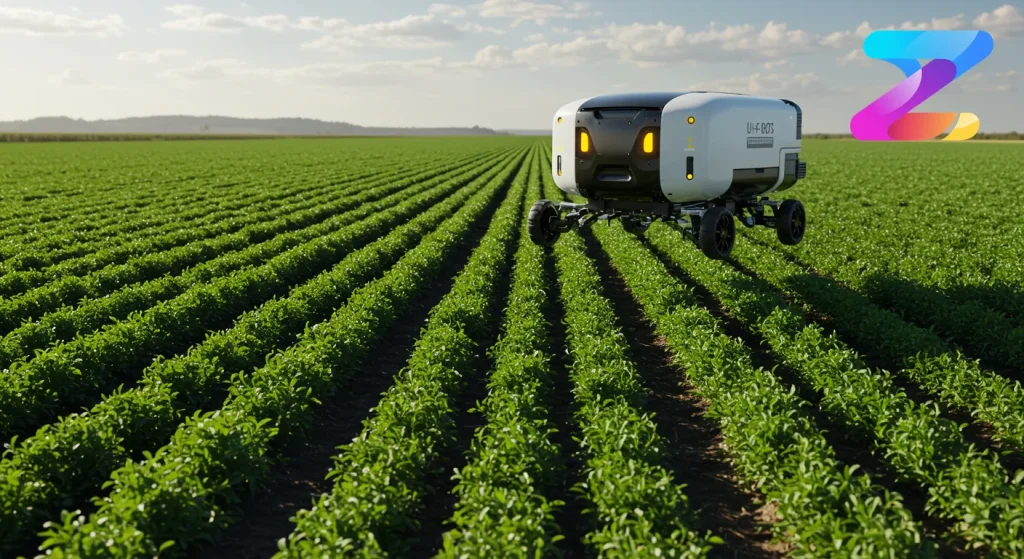
A significant shift is underway in agricultural practices, signaling a future where advanced technology takes on persistent farm challenges. Castoro Cellars, an organic vineyard in California, recently expanded its deployment of Saga Robotics’ UV-C light robots across 600 acres to combat powdery mildew, a move that highlights a growing industry trend towards chemical-free and sustainable crop management for Farmers.
The current toolset for managing common crop diseases often involves repeated applications of fungicides, which can lead to resistant strains, persistent residues, and significant labor outlays. For many Farmers, these costs cut directly into their bottom line, not to mention the long-term impact on soil biology and surrounding ecosystems. Niels Udsen, co-founder of Castoro Cellars, emphasized the clear results after three years, calling it “the beginning of a much larger shift for growers across California and beyond.” This sentiment resonates deeply with many Farmers facing increasing pressure to optimize operations while minimizing environmental impact. The UV-C technology, delivered by autonomous Thorvald bots, disrupts the reproductive cycle of diseases like powdery mildew, botrytis, and sour rot using light, eliminating the need for oils, sulfur, or synthetic chemicals.
Beyond the immediate benefit of precise disease control, this approach offers multiple advantages for Farmers. Caine Thompson, who leads Saga Robotics’ US operations, highlights the desire to move away from heavy tractors that contribute to soil compaction and carbon emissions. The smaller, autonomous bots reduce soil disturbance, preserving the delicate balance of microbial life vital for healthy crops. This focus on chemical-free methods also lowers the barrier to entry for sustainable, organic, and regenerative farming, potentially opening new premium markets for Farmers looking to differentiate their produce. Growers using UV-C are often replacing 60-90% of their chemical applications, with the potential to reach zero as the farm’s ecosystem achieves better balance and overall crop health improves.
The deployment of UV-C robots is part of a larger trend towards precision agriculture, leveraging artificial intelligence tools to make farming more efficient and sustainable. While the Thorvald bots autonomously deliver light treatments, their effectiveness is amplified when integrated into a comprehensive crop management AI strategy that monitors overall plant and soil health. This represents a substantial leap forward in smart farming, allowing for targeted interventions based on real-time data.
For instance, AI tools for farmers like CropX provide critical real-time data on soil moisture, nutrient levels, and plant health across different zones of a farm. By understanding these underlying conditions, Farmers can adjust irrigation, fertilization, and even planting strategies to cultivate stronger, more resilient crops that are inherently less susceptible to diseases like powdery mildew. This integrated approach, combining robotic interventions with data-driven insights, ensures that resources are used optimally and preventative measures are taken, rather than just reactive treatments, moving Farmers towards a more proactive stance in disease management.
The growing adoption of UV-C robotics signals a paradigm shift that many agricultural experts have anticipated. Dr. Elena Petrova, an independent agricultural consultant specializing in sustainable crop protection, notes, “This technology represents a significant leap forward for Farmers seeking to reduce reliance on chemical inputs without sacrificing yield. It’s not just about zapping mildew; it’s about fostering a healthier farm ecosystem and embracing a future where technology works in harmony with natural processes. The goal is to get to near-zero chemical use over time, as the system achieves better balance and overall vine health improves.” This perspective underscores the holistic benefits extending far beyond just disease control for modern Farmers.
For Farmers interested in exploring these advanced AI tools for farmers, there are concrete steps to take starting this week. First, dedicate time to researching emerging technologies in precision agriculture, including UV-C light treatment systems and various AI-powered monitoring platforms. Understand their potential application to your specific crops and challenges, looking for case studies beyond vineyards, such as strawberry farms, to see how the core principle applies across different agricultural settings.
Second, critically evaluate your current crop management AI and disease control strategies. Identify areas where chemical inputs are heavy, labor costs are high, or disease resistance is becoming an issue. This self-assessment will help pinpoint where a technology like UV-C bots or other artificial intelligence tools could offer the most immediate and long-term benefits for your operation, potentially replacing a substantial portion of current chemical usage and improving soil health.
Finally, begin improving your farm’s data collection. Whether through advanced sensors or more meticulous record-keeping, comprehensive data on soil health, disease pressure, and yield performance will be crucial. This data forms the baseline for assessing the impact of any new technology and helps in making informed decisions about integrating smart farming solutions into your daily practices, giving Farmers a clearer picture of their farm’s performance.
The expansion of UV-C robotics at operations like Castoro Cellars is a clear indicator of the direction modern agriculture is heading. For Farmers, this means a future with more precise, environmentally conscious, and ultimately more profitable methods for keeping crops healthy. Embracing these artificial intelligence tools is becoming less of an option and more of a strategic imperative for long-term success.
Frequently Asked Questions
How much do these UV-C robots cost, and are they practical for a small farm?
While specific costs vary, these systems often require an initial investment. Farmers should consider the long-term savings in chemical inputs and labor, which can offset the upfront expense over time. Many providers offer service models or smaller-scale deployments suitable for various farm sizes.
Can UV-C light harm my crops or beneficial insects?
Saga Robotics’ UV-C treatments are carefully calibrated to specific wavelengths and dosages that disrupt fungal pathogens without harming the plants or most beneficial insects. The treatments are often applied at night to maximize efficacy and minimize any potential non-target impact, making them safe for Farmers to integrate.
What other crops besides grapes can benefit from UV-C technology?
Beyond vineyards, UV-C technology has shown promise in controlling diseases on tabletop strawberries and is being explored for various other fruits, vegetables, and field crops susceptible to powdery mildew, botrytis, and sour rot. Farmers cultivating these crops should investigate potential applications.
See Zekai first in Google
The weekly AI briefing for your profession
One weekly email: the AI changes that actually affect your profession — tools, deals, and what to do about them.