AI for Supply Chain & LogisticsThe best logistics AI tools, ranked
We track 42 AI tools for logistics professionals and rank them by score, so you can pick the right one in minutes. 1 have a free plan you can use today.
The 10 best AI tools for logistics professionals in 2026
Ranked by Zekai score, out of 42 tools. Scores weigh accuracy, ease of use, value and time saved for logistics professionals, and we check prices against each vendor's site.
- 01
Optimize routes, enhance safety, and ensure driver compliance across your entire fleet.
Combines mission-critical regulatory compliance, telematics, and real-time safety coaching into a single fleet system that pays for itself in avoided claims.
- 02
AI-powered route optimization to cut logistics costs by 15-25% and improve on-time delivery performance.
Delivers verified 15-25% operational cost reductions in enterprise fleet routing by balancing complex vehicle capacity and traffic variables in real time.
- 03
Gain end-to-end supply chain visibility and orchestrate your logistics with AI-driven automation.
The market benchmark for end-to-end supply chain visibility, offering immense carrier network coverage despite requiring dedicated enterprise configuration.
- 04
Gain real-time vehicle insights to proactively manage your fleet and enhance operational efficiency.
With millions of connected vehicles, its open telematics platform delivers dependable predictive maintenance and engine diagnostics out of the box. Setup demands vehicle hardware installations, but the operati…
- 05
Optimize routes, enhance safety, and slash fleet operating costs with Samsara.
Samsara is the benchmark for connected fleet telematics, unifying real-time GPS tracking, camera safety, and route dispatch. Upfront hardware installation is required, but the resulting reduction in fuel theft…
- 06
Transform fleet safety and efficiency with AI-powered video insights.
Machine vision algorithms accurately detect distracted driving and harsh maneuvers, directly lowering accident rates and insurance premiums across large fleets. Requires physical camera hardware and active coa…
- 07
Proactively manage logistics operations and ensure compliance with digital inspections.
SafetyCulture transforms paper audits and checklists into immediate digital workflows with negligible training overhead. With an extremely generous free tier up to 10 users and proven enterprise adoption, it d…
- 08
Optimize last-mile routes, cut drive time, and boost delivery efficiency for your fleet.
Routific offers a fast onboarding path and reliable algorithmic dispatching for local fleets, making it vastly more efficient than manual routing spreadsheets. While higher tiers add up per vehicle, the fuel a…
- 09
Proactively reduce accidents and lower insurance premiums with AI-driven driver coaching.
Driver-i computer vision delivers automated, positive safety coaching that meaningfully lowers fleet collision rates and commercial insurance premiums.
- 10
World's fastest AS/RS goods-to-person system powered by intelligent cube storage and AI optimization.
All 42 AI tools for logistics professionals
Showing 24 of 42
 Motive (KeepTruckin)9.0
Optimize routes, enhance safety, and ensure driver compliance across your entire fleet.
Subscription + hardwareOPOptiyol8.8AI-powered route optimization to cut logistics costs by 15-25% and improve on-time delivery performance.
Contact for Pricing project44 Movement8.8
Gain end-to-end supply chain visibility and orchestrate your logistics with AI-driven automation.
Enterprise subscription / transaction‑based Geotab Drive Telematics8.7
Gain real-time vehicle insights to proactively manage your fleet and enhance operational efficiency.
Freemium + subscription tiers based on features Samsara8.7
Optimize routes, enhance safety, and slash fleet operating costs with Samsara.
Subscription + hardware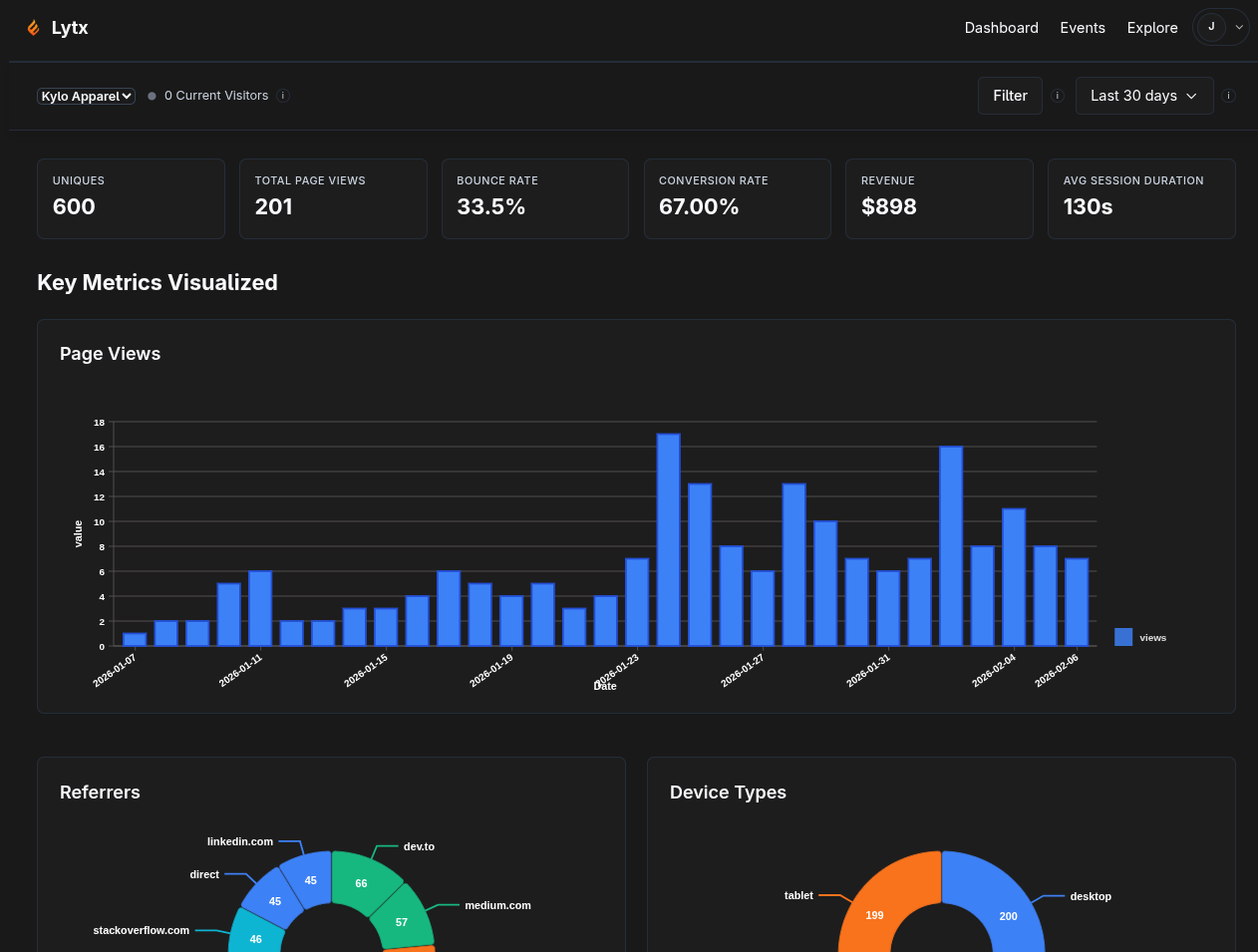 Lytx AI Safety & Insights8.6
Transform fleet safety and efficiency with AI-powered video insights.
Per-vehicle per-month subscription SafetyCulture (iAuditor)8.6
Proactively manage logistics operations and ensure compliance with digital inspections.
Per user/freemium Routific8.3
Optimize last-mile routes, cut drive time, and boost delivery efficiency for your fleet.
Free plan Netradyne (Driver•i)8.3
Proactively reduce accidents and lower insurance premiums with AI-driven driver coaching.
SubscriptionAUAutoStore8.2World's fastest AS/RS goods-to-person system powered by intelligent cube storage and AI optimization.
Paid Upper Route Planner8.2
Optimize hundreds of delivery stops in minutes, cutting travel time and fuel costs.
$40 o9 Digital Brain7.9
Gain end-to-end supply chain visibility and optimize inventory levels for reduced costs.
Enterprise subscription / project‑based Shippeo7.9
Gain real-time shipment visibility, predict disruptions, and optimize your logistics operations seamlessly.
Custom Blue Yonder Luminate Platform7.8
Optimize inventory, forecast demand, and orchestrate fulfillment with AI-driven insights.
Enterprise subscription / usage‑basedZEZebra Technologies7.7Hardware and software solutions for supply chain visibility, asset tracking, and warehouse inventory management.
Paid eMushrif7.7
Optimize school transportation with an integrated platform for route planning, real-time tracking, and student safety monitoring.
Pricing on request ChargePoint EV Fleet Charging Management7.7
Optimize fleet charging schedules for maximum operational efficiency and reduced energy spend.
Per-charging-port subscription + electricity costs Project44 (Core Platform)7.7
Gain complete, real-time control over your global freight operations and reduce transit exceptions.
Subscription FourKites7.7
Gain predictive control over your supply chain with real-time, AI-driven transportation visibility.
Custom Sennder AI Logistics Platform7.6
Automate your freight optimization and slash logistics costs with AI-powered route planning.
Transaction-based + commission on freight value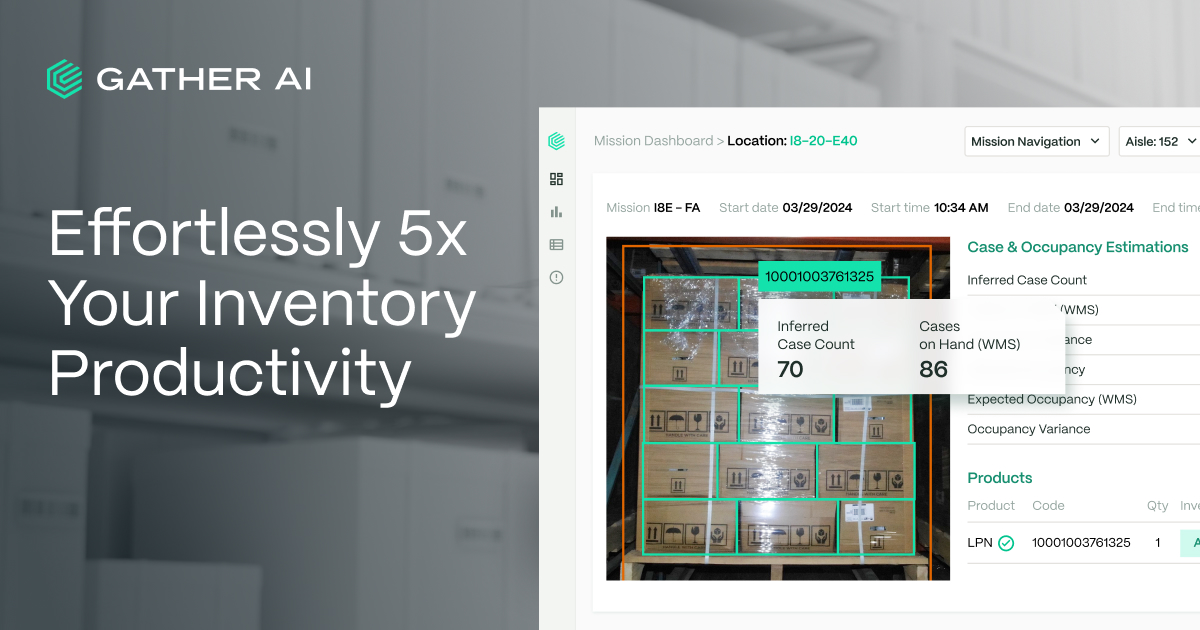 Gather AI7.6
Automate warehouse inventory counts with AI drones for unmatched accuracy and speed.
Subscription / per‑site Locus (Agentic TMS)7.6
Decide, dispatch, and deliver across every mile and channel, governed by your rules.
Enterprise subscription / SaaS Boxy7.5
Unify Iraqi carriers in one dashboard. AI-powered order creation and automated last-mile management for e-commerce logistics.
PaidVEVerizon Connect Fleet Management7.5Gain 24/7 visibility and optimize every vehicle movement for maximum efficiency.
Subscription-based per vehicle + communication chargesAll 42 tools A–Z
Start free today: 1 tools with a free plan
No card needed to try these. The best-scored free options for logistics professionals.
Get paid for what you know as a logistics professional
AI companies pay logistics professionals by the hour to check and improve their AI. Remote, on your own hours. Applying through Zekai is free.
One short email each morning with new roles open in your country. Free. Unsubscribe any time.
ChatGPT prompts for logistics professionals
Copy, paste and fill in the brackets. Works in ChatGPT, Claude, Gemini or Copilot.
Generate an Inventory Exception Alert
(8 days from now)
ACTION:
1.  Calculate the "Days of Supply" remaining (
Create an RFP Evaluation Scorecard
RFP.
CONTEXT: We need a structured, objective way to compare bids. The evaluation criteria, in order of importance, are:
1.  Cost (Price per shipment/mile).
2.  Service Level (Guaranteed transit time, OTD commitment).
3.  Technology & Visibility (API integration capabilities, real-time tracking platform).
4.  Carrier Stability & Experience (Years in business, references, financial health).
5.  Sustainability Initiatives (Fleet emissions reporting, EV/alt-fuel options).
ACTION:
1.  Create a markdown table to serve as the evaluation scorecard.
2.  Assign a weight to each of the 5 criteria. The weights must sum to 100%. (e.g., Cost: 40%, Service: 25%, Tech: 20%, Stability: 10%, Sustainability: 5%).
3.  For each criterion, define a 1-5 scoring rubric. For example:
• Cost (40%): 5 = >10% below benchmark; 4 = 5-10% below; 3 = at benchmark; 2 = 5-10% above; 1 = >10% above.
• Technolo…
Draft an Incident Report for a Safety Violation
Act as a warehouse safety manager. A minor safety incident occurred today. Using the following details, draft a formal, no-blame incident report. The goal is to identify root causes and corrective actions, not to punish the individual.
Details:
• Employee: John Doe
• Date/Time: September 3, 2026, 10:15 AM
• Location: Aisle B-12
• Incident: Employee was observed operating a forklift while trying to use a handheld scanner at the same time, a violation of our "eyes and hands on controls" policy. He nearly collided with a pallet rack. No injury or damage occurred.
• Immediate Action Taken: Shift supervisor spoke with the employee, who stated he was "in a rush to finish a hot order." The employee was reminded of the policy and resumed work safely.
Report Structure:
1.  Incident Summary: (Date, time, location, brief description)
2.  Analysis of Root Cause(s): (Consider contributing factors be…
Carrier Performance Scorecard
Act as a supply chain analyst. I will provide you with structured data for three of my main freight carriers: Carrier A, Carrier B, and Carrier C.
Data:
• Carrier A: On-Time Pickup: 92%, On-Time Delivery: 88%, Damage Rate: 1.5%, Average Cost/Mile: $2.10, Tender Acceptance Rate: 95%
• Carrier B: On-Time Pickup: 98%, On-Time Delivery: 96%, Damage Rate: 0.5%, Average Cost/Mile: $2.45, Tender Acceptance Rate: 85%
• Carrier C: On-Time Pickup: 85%, On-Time Delivery: 82%, Damage Rate: 2.5%, Average Cost/Mile: $1.85, Tender Acceptance Rate: 98%
Based on this data, create a carrier performance scorecard in a markdown table. Add a "Weighted Score" column. The weighting for each KPI is: On-Time Delivery (40%), Cost/Mile (30%), Tender Acceptance (15%), On-Time Pickup (10%), Damage Rate (5%). Calculate the weighted score for each carrier and rank them from 1 to 3. Then, provide a one-paragraph summa…
RFP Evaluation Assistant
I am evaluating three proposals for a new warehouse management system (WMS). I need to draft an internal memo comparing them.
Here are my notes:
• Vendor X: Strongest on core inventory management and picking optimization. Integrates well with our existing ERP. Pricing is highest at $150k/year. User interface feels dated.
• Vendor Y: Best-in-class for robotics integration and automation support. Pricing is moderate at $120k/year but requires a separate $50k integration project. Modern UI. We don't have robots yet but plan to in 3 years.
• Vendor Z: Lowest price at $80k/year. Cloud-native and easy to use. Lacks advanced features for labor management and slotting optimization that we need. Good for smaller operations.
Using this information, write a 200-word summary comparing the three vendors. Structure it with a recommendation for which vendor to proceed with for a final demo, justifying…
Supplier Risk Assessment
I need to assess the risk of a potential new supplier located in a specific region.
Supplier: "Global Components Ltd."
Location: Coastal region in Southeast Asia, known for its monsoon season from June to October.
Product: Custom microchips, essential for our flagship product.
Information: They are a single-source supplier for this component. Lead time is 22 days by ocean freight.
Based on this, generate a list of 5 potential supply chain risks associated with this supplier. For each risk, suggest one specific mitigation action I could take. Present this in a two-column table with "Risk" and "Mitigation Action".
Will AI replace logistics professionals?
No. AI forecasts demand and optimises routes, but supplier relationships and disruption decisions stay human.
What AI already does
- Forecasts demand and stock levels
- Optimises routes and loads
- Tracks shipments and warns about delays
What stays human
- Supplier relationships and negotiation
- Decisions when disruptions hit
- Balancing cost, risk and service
- Start with forecasting or route planning
- Keep a human plan B for disruptions
The problems AI is fixing for logistics professionals
Unpredictable Demand
Fluctuating market trends make it nearly impossible to maintain optimal inventory levels manually.
AI forecasting predicts spikes using historical and external data.Inefficient Routing
Static delivery routes waste fuel and delay shipments when traffic or weather conditions change.
Dynamic AI routing adjusts paths in real-time to save time and fuel.Poor Visibility
Tracking goods across global networks is fragmented, leading to blind spots and delayed responses.
Computer vision and IoT AI provide real-time, end-to-end tracking.Supplier Risks
Sudden supplier disruptions can halt production and cause massive revenue losses.
Predictive AI monitors global news to flag supplier risks early.Guides for logistics professionals
Artificial Intelligence in Logistics: Top Tools for 2026
Discover the top tools for artificial intelligence in logistics. Compare Optiyol, Shippeo, o9 Digital Brain, and more for route optimizatio…
28 Oct 2026Best AI for Supply Chain Tools in 2026
Compare top AI supply chain tools for visibility, planning, and risk. Evaluate project44 Movement, Prewave, Anaplan, and more with Zekai sc…
25 Oct 2026AI for Route Optimization: A Step-by-Step Guide (2026)
A practical guide on how to use AI for route optimization. We review the best tools, detail a 6-step implementation plan, and explain EU AI…
26 Sep 2026How to Use AI for Fleet Management (2026 Guide)
A practical guide to using AI for fleet management. Compare the best tools like Samsara and Verizon Connect and learn to apply AI for routi…
26 Sep 2026The 12 Best AI Tools for Supply Chain Managers (2026)
We tested 20+ AI tools for supply chain and logistics, ranking the top 12 for forecasting, visibility, and fleet management. Verified prici…
24 Sep 2026AI for Supply Chain Managers: The Complete 2026 Guide
A practical guide to AI for supply chain managers.
22 Sep 2026Questions about AI for logistics professionals
What are the best AI tools for logistics professionals in 2026?
Are there free AI tools for logistics professionals?
Can logistics professionals get paid to train AI?
Will AI replace logistics professionals?
Does AI create compliance problems in customs, dangerous goods or driver hours?
How much do AI supply chain tools cost?
Does AI forecasting actually work better than a good planner with a spreadsheet?
What data quality do AI supply chain tools require?
What should a small distributor or carrier adopt first?
AI for other professions
Stay ahead with AI for logistics professionals
The best new tools, price drops and paid roles for logistics professionals. One short email a week.
Done. Check your inbox to confirm.