العربية
 English
 Français
 Deutsch
 हिन्दी
 Português
 Русский
 Español
 Türkçe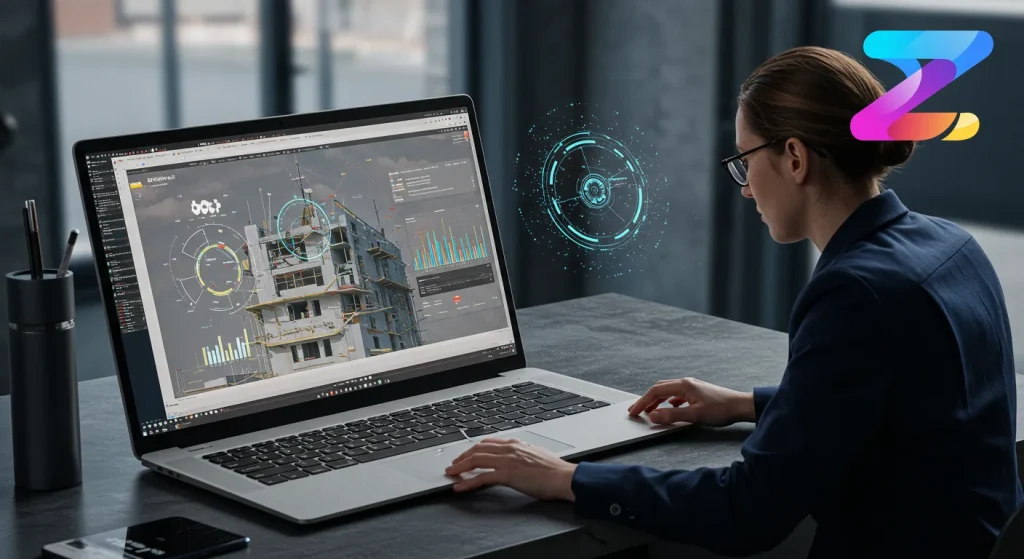
Construction Engineers can now identify concrete micro-fractures or rebar misalignments across an entire floor slab in minutes, a task that would previously demand hours of meticulous, error-prone manual inspection. This surprising capability is reshaping visual quality control on job sites, enabling unprecedented accuracy and speed that fundamentally changes how projects are delivered.
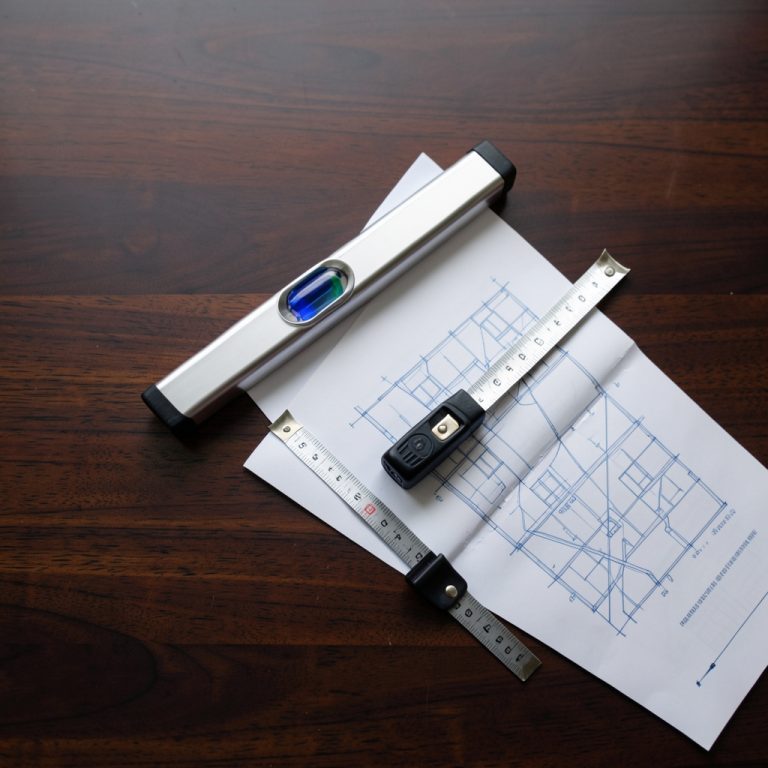
For generations, visual quality control on construction sites has been a labor-intensive, often subjective exercise. A Construction Engineer, armed with blueprints, measuring tapes, and a keen eye, would spend countless hours walking sites, scrutinizing every pour, weld, and installation. This critical work, while essential for safety and structural integrity, was prone to human error, fatigue, and the sheer impossibility of consistently inspecting every square inch of a vast project. The challenge intensified with complex designs and tight schedules, making comprehensive inspection a significant bottleneck. This landscape is now rapidly shifting due to advanced AI tools for construction, particularly in the realm of flexible AI inspection systems.
The real impact for a Construction Engineer is a profound move from reactive problem-finding to proactive quality assurance. These systems, powered by advanced computer vision and machine learning, don’t just find issues faster; they learn to recognize anomalies that might escape the human eye entirely, or only become apparent much later when they are far more costly to rectify. This allows for earlier intervention, significantly reducing rework, improving material efficiency, and ensuring compliance with regulatory standards from the outset. It transforms the role of the Construction Engineer from an inspector burdened by repetitive checks to a strategic manager, empowered by real-time, objective data to make critical decisions. This integration of construction AI into daily operations means projects can advance with greater confidence and fewer delays, enhancing overall project management and reducing risk across the entire civil engineering AI spectrum.
Before AI inspection: Manually inspecting the rebar cage for a large foundation slab, requiring a Construction Engineer or foreman to walk the entire area with a checklist, comparing against blueprints, measuring spacing, and noting every deviation by hand. This process could take 4-6 hours for a significant area, often needing multiple passes and risking missed details due to human fatigue or oversight, potentially leading to costly reworks or structural compromises if errors were not caught before the concrete pour.
After AI inspection: Using an AI-powered camera system (e.g., mounted on a drone, a robot, or even a smartphone) to autonomously scan the rebar cage. The AI instantly processes the visual data, comparing it against BIM models and structural drawings, highlighting every spacing error, missing tie, or incorrect bar size on a digital overlay. This provides a comprehensive, objective report in less than 30 minutes, allowing the Construction Engineer to address critical issues immediately with pinpoint accuracy, ensuring compliance and structural integrity before the concrete pour, thereby saving substantial time and avoiding potential structural issues.
Several artificial intelligence tools are making this transformation possible, integrating seamlessly into existing construction workflows. Platforms like Buildots and OpenSpace leverage sophisticated computer vision to continuously monitor construction progress and identify discrepancies by comparing reality capture data (from standard site cameras or drones) against BIM models. These systems are prime examples of flexible learning systems; as they process more project data, they become even more adept at recognizing specific types of defects or deviations unique to certain materials or construction methods. The insights generated, such as out-of-tolerance dimensions or misaligned components, can then be fed directly into established project management ecosystems. For instance, integration with platforms like Autodesk Construction Cloud or Procore AI enables immediate issue tracking, assignment, and resolution, streamlining communication and fostering truly proactive AI project management construction.
If you’re a Construction Engineer ready to leverage these advancements, you can start this week. First, identify a specific, repetitive visual inspection task on your current project that currently consumes significant time or is prone to human error – perhaps rebar checks, drywall installation quality, or concrete finish inspections. Second, research and explore available AI tools that specialize in this area. Many vendors offer pilot programs or scalable entry points, often utilizing equipment you might already have, like high-resolution smartphones or commercial drones. Look for solutions that provide clear visual reports and anomaly detection. Finally, focus on how the data output from these AI tools can integrate with your existing project management or BIM platforms. Even if it starts with simple exportable reports, understanding the data flow will be crucial for scaling its impact and truly embedding these artificial intelligence tools into your project management strategy, enhancing your civil engineering AI capabilities.
Ultimately, AI inspection isn’t about replacing the seasoned Construction Engineer’s expertise; it’s about augmenting it, providing superhuman precision and consistency. This empowers better decisions, faster project delivery, and a higher standard of quality across the board.
See Zekai first in Google
The weekly AI briefing for your profession
One weekly email: the AI changes that actually affect your profession — tools, deals, and what to do about them.