العربية
 English
 Français
 Deutsch
 हिन्दी
 Português
 Русский
 Español
 Türkçe
Construction engineers are now able to conduct site inspections and identify potential defects with 70% greater productivity, according to recent reports on AI-driven platforms. This significant leap isn’t just about speed; it redefines how quality assurance and progress monitoring are integrated into daily construction operations, making crucial data available almost instantaneously.
For the Construction Engineer, this marks a profound shift away from tedious, error-prone manual processes towards a proactive, data-rich approach. What once required hours of meticulous on-site examination, photography, and subsequent data entry, can now be augmented by artificial intelligence tools that automatically detect anomalies, measure progress against BIM models, and flag potential issues before they escalate. This means less time chasing down issues after they’ve become problems, and more time focusing on critical engineering decisions, resource allocation, and strategic planning. The core impact is on enhancing project quality, reducing rework costs, and adhering to tighter schedules, empowering the Construction Engineer to maintain a higher standard of oversight across complex sites.
The real transformation lies in the capability for consistent, objective analysis at scale. Traditional methods rely heavily on the individual inspector’s experience and attention to detail, which can vary. Construction AI platforms, however, apply consistent algorithms to every inch of a captured site, ensuring no detail is overlooked and providing a comprehensive digital record. This level of rigor elevates the standard of documentation and compliance, offering an undeniable audit trail that benefits every stakeholder involved in a civil engineering project. It’s about arming the Construction Engineer with an intelligent assistant that doesn’t miss a thing.
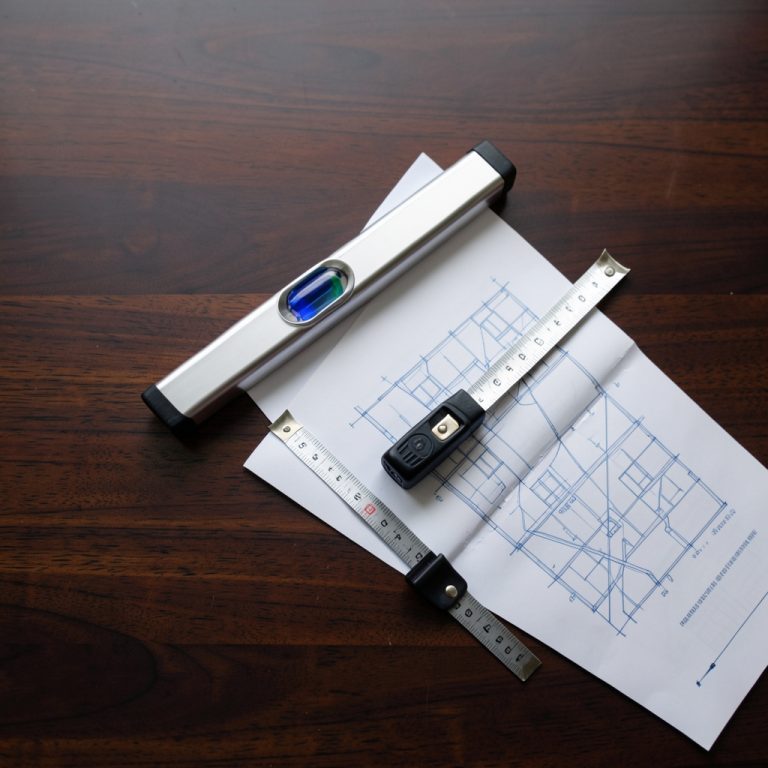
Before AI inspection platforms, a typical site inspection for a Construction Engineer might involve a laborious sequence. They would walk the site with a clipboard, camera, and tape measure, manually noting observations, marking up paper plans, and taking dozens, if not hundreds, of photos. This often took a full day or more for a substantial area. Back in the office, hours would be spent uploading photos, transcribing notes into spreadsheets, linking them to specific locations on drawings, and compiling a detailed report, which could then take another day or two to finalize and distribute. Follow-up inspections to verify fixes would repeat much of this manual process.
After implementing an AI-driven inspection platform, the workflow is fundamentally different. The Construction Engineer might deploy a drone equipped with high-resolution cameras for aerial data capture or use a 360-degree camera mounted on a hardhat for ground-level progress walks. This data is then fed into the AI tools for construction, which automatically process the imagery. Within minutes to hours, the platform can identify various defects (e.g., rebar misplacement, concrete spalling, missing components), compare actual progress against the BIM model, and flag deviations. The system can even generate geo-tagged defect lists and comprehensive reports automatically, complete with visual evidence and severity ratings. The Construction Engineer reviews the AI-generated report, focusing only on flagged issues, and can instantly share it with relevant teams through integrated platforms, significantly cutting down the entire cycle from days to mere hours.
Several cutting-edge AI tools are making this productivity boost a reality. **OpenSpace**, for instance, offers automated 360-degree photo capture and AI-powered analysis that tracks construction progress and identifies deviations from the plan, providing Construction Engineers with an unparalleled view of their sites. Similarly, **Buildots** utilizes AI to continuously compare site progress against 3D models and schedules, highlighting discrepancies and allowing for proactive adjustments. These platforms often integrate seamlessly with broader AI project management construction tools like Autodesk Construction Cloud or Procore AI, ensuring that inspection data flows directly into overall project planning, scheduling, and issue resolution workflows. These artificial intelligence tools don’t just find problems; they provide context and data for informed decision-making.
For a Construction Engineer looking to adopt this technology this week, start by identifying a specific, recurring inspection task that consumes significant time or is prone to human error. Next, research and contact one or two leading AI inspection platform providers – OpenSpace and Buildots are excellent starting points – to schedule a demonstration. Most offer trial periods or pilot programs. During the demo, focus on how the platform identifies defects, tracks progress, and integrates with your existing project management software. Finally, gather a small team of eager colleagues and dedicate time to understanding the platform’s features, ensuring you leverage its full potential for immediate impact. Training and a clear understanding of the AI tools’ capabilities will be key to successful adoption.
The single most important takeaway for any Construction Engineer today is that AI-driven inspection isn’t a future possibility; it’s a current, proven capability that fundamentally streamlines operations and elevates quality control. Embracing these advanced AI tools is no longer optional for maintaining a competitive edge and delivering superior projects.
See Zekai first in Google
The weekly AI briefing for your profession
One weekly email: the AI changes that actually affect your profession — tools, deals, and what to do about them.