العربية
 English
 Français
 Deutsch
 हिन्दी
 Português
 Русский
 Español
 Türkçe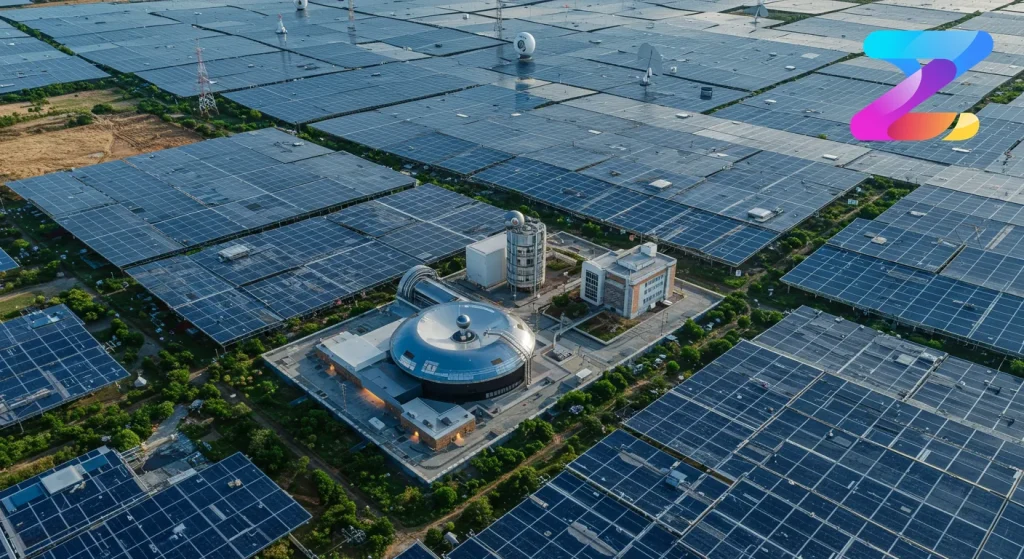
India’s energy landscape witnessed a significant shift in Q1 2026, with a record-breaking 15.3 GW of solar capacity installed. This unprecedented surge, driven largely by impending policy deadlines, underscores a critical industry trend that demands immediate attention from Energy Professionals globally. This pattern of rapid, policy-accelerated renewable energy deployment is not unique to India; it signals a future where quick scaling and complex integration will become the norm.
For Energy Professionals, this accelerated build-out carries profound implications, particularly for those involved in grid operations, resource planning, and infrastructure development. The sudden influx of a substantial intermittent power source like solar places immense pressure on existing transmission and distribution networks, demanding sophisticated solutions for grid stability and reliability. Grid operators must contend with enhanced volatility, requiring more precise forecasting, real-time balancing, and advanced congestion management. Furthermore, the imperative to meet tight deadlines can sometimes lead to deployment outpacing integration strategy, creating challenges for demand-side management and the effective utilization of newly available clean energy. Energy Professionals in these roles will find their traditional tools and methods increasingly strained, necessitating a pivot towards more dynamic, data-driven approaches.
Project developers and asset managers are equally affected, facing intensified supply chain pressures, the need for expedited permitting and interconnection processes, and the optimization of asset performance under varying grid conditions. The ‘deadline rush’ environment means projects must be commissioned efficiently while ensuring long-term operational viability. This scenario amplifies the need for robust planning, predictive maintenance, and intelligent energy storage solutions to smooth out solar’s intermittency. Ultimately, this trend reshapes the entire energy value chain, from generation to consumption, requiring Energy Professionals to evolve their skill sets and embrace innovative technologies to maintain system integrity and capitalize on the opportunities presented by this rapid decarbonization push.
The complexity introduced by such rapid deployment makes artificial intelligence tools indispensable for Energy Professionals. Platforms like AutoGrid are vital for optimizing distributed energy resources (DERs), enabling utilities to manage virtual power plants (VPPs) and enhance grid flexibility by orchestrating a myriad of behind-the-meter assets. For instance, AutoGrid’s AI can predict energy demand and supply fluctuations with high accuracy, allowing grid operators to preemptively dispatch resources or curtail non-critical loads, thereby preventing grid stress. Similarly, Stem AI, through its Athena platform, specializes in energy storage optimization, using predictive analytics to determine the most cost-effective times to charge and discharge batteries, maximizing their value for grid services, peak shaving, and renewable firming. These AI tools are becoming foundational elements for maintaining grid stability and integrating high volumes of renewable energy.
Beyond grid management and storage, AI plays a crucial role in demand-side engagement. Uplight offers AI-driven solutions that enable utilities to engage consumers effectively, facilitating load shifting and energy efficiency programs. By understanding consumption patterns and responding dynamically to grid needs, Uplight helps Energy Professionals balance supply and demand more intelligently. These artificial intelligence tools offer the precision and scalability required to navigate the intricacies of a modern, rapidly evolving energy system, proving that renewable energy AI is not just an efficiency booster but a critical enabler for sustainability.
Dr. Anya Sharma, Lead Grid Modernization Strategist at Nexus Energy Solutions, emphasizes the transformative potential of artificial intelligence tools in this accelerated environment. ‘The pace of renewable energy deployment, especially under policy mandates, is pushing grid infrastructure to its limits. AI tools are no longer a luxury but a necessity for Energy Professionals tasked with maintaining reliability, optimizing asset performance, and integrating vast amounts of intermittent power seamlessly into our energy systems. The insights derived from energy AI are fundamentally reshaping how we approach grid resilience and operational efficiency,’ Sharma noted. This sentiment underscores a growing consensus that AI sustainability is achievable only through intelligent technological adoption across the sector.
Energy Professionals can begin leveraging these advanced capabilities this week. First, identify specific operational bottlenecks or inefficiencies in your current role that could benefit from enhanced data analytics and predictive capabilities, such as more accurate load forecasting or optimized maintenance schedules for renewable assets. Second, explore introductory online courses or webinars focusing on AI applications in renewable energy and smart grid management; many educational platforms offer practical insights into how AI tools for energy professionals are being deployed. Finally, engage with industry peers and technology providers who are actively deploying AI solutions; participating in forums or workshops can provide valuable real-world case studies and best practices, offering a clear path to understanding and implementing these AI tools.
The rapid solar expansion in India is a clear indicator of the future challenges and opportunities facing Energy Professionals worldwide. Embracing artificial intelligence tools will be paramount for navigating the complexities of a swiftly decarbonizing and decentralized energy landscape, ensuring grid stability, and driving sustainable growth. The demand for advanced energy AI solutions will only intensify as nations accelerate their clean energy transitions.
Frequently Asked Questions
How does this rapid solar growth impact grid stability and what role does AI play?
Rapid solar growth can introduce intermittency and volatility, stressing grid stability. AI tools for energy professionals analyze vast datasets to provide real-time forecasting, optimize resource dispatch, and manage distributed energy resources, thus enhancing grid resilience.
What are the immediate challenges for Energy Professionals in integrating such a large influx of renewables?
Key challenges include managing increased transmission line congestion, ensuring adequate ancillary services, optimizing energy storage, and adapting existing infrastructure. Energy Professionals must develop new strategies for demand-side management and cyber-physical security.
How can an individual Energy Professional begin exploring AI solutions for these challenges?
Start by identifying specific pain points where data analysis could offer solutions, then explore introductory courses on renewable energy AI, and network with peers and vendors already implementing AI tools. Focus on practical applications that address immediate operational needs.
See Zekai first in Google
The weekly AI briefing for your profession
One weekly email: the AI changes that actually affect your profession — tools, deals, and what to do about them.