
 العربية
 English
 Français
 Deutsch
 हिन्दी
 Português
 Русский
 Español
 Türkçe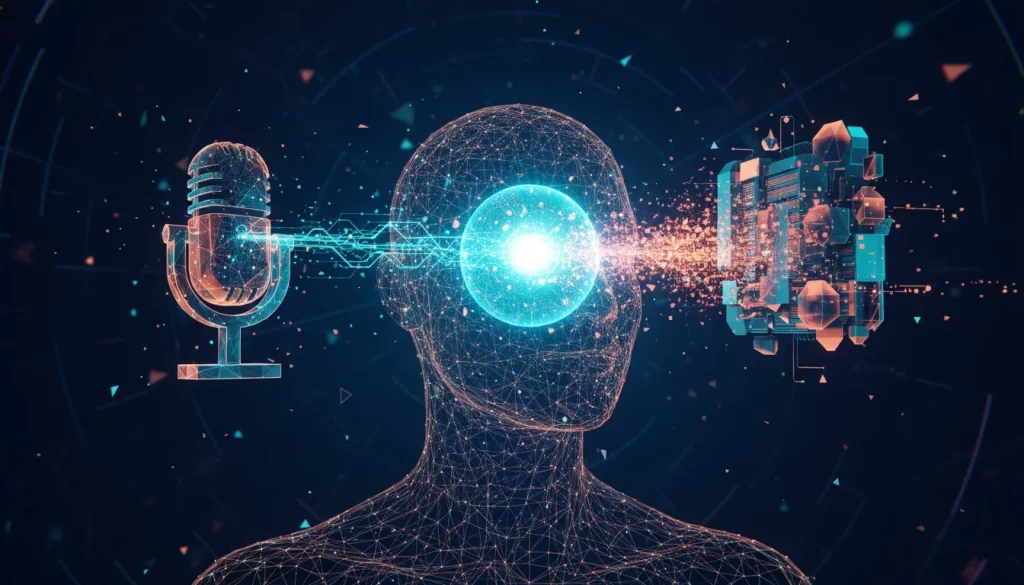
The fastest input device most executives own is their own voice — yet for years, dictation tools captured every stutter and filler word and handed back a mess. In 2026, that interface between thought and digital text has been redefined, and it feeds directly into a second system: an AI-powered “second brain” that organizes what you capture so you can actually find it again.
Together, these two layers — fluid voice capture and semantic retrieval — change how knowledge work gets done.
Voice that thinks before it types
Voice dictation has evolved beyond literal transcription. The leading tools edit as they listen.
For executives who think out loud, the breakthrough is capture without a keyboard. Hardware like the Plaud AI NotePin merges a physical recording device with cloud-based AI, ensuring that meetings and spontaneous ideas are captured and transcribed effortlessly — no app to open, no moment lost. Software tools in the same vein automatically edit, structure, and polish speech in real time, outputting professional prose rather than a raw, rambling transcript.
The result is that brainstorming verbally no longer means cleaning up afterward. You speak; the AI hands back something already organized.
The second brain, operationalized
Capturing thoughts is only half the problem. The other half is making them retrievable — and that’s where the “second brain” has been fully operationalized through Retrieval-Augmented Generation (RAG).
Modern personal knowledge management systems have abandoned rigid folder hierarchies and manual tagging in favor of vector databases that link information by conceptual similarity. Three approaches stand out:
- NotebookLM ingests your documents and generates source-grounded synthesis — even audio overviews — keeping every answer tied to material you trust.
- Mem functions as a self-organizing network, using AI to tag and connect related thoughts in the background so structure emerges without manual filing.
- Reflect offers a minimalist, backlinked journaling experience with AI transcription for voice memos — a natural home for executives who brainstorm out loud.
Why source-grounding matters
The recurring theme across the best of these tools is trust. NotebookLM keeps its synthesis grounded in the sources you provide, so insights are traceable rather than invented.
That traceability is not a nicety. In professional settings, a hallucinated fact is an operational risk. A knowledge system worth relying on is one where you can click back to the original passage and verify the claim — which is exactly the discipline source-grounded tools enforce.
Closing the loop
Put the layers together and a workflow emerges. You speak an idea into a Plaud AI NotePin or dictate a memo into Reflect. The transcription is polished automatically. It lands in a system like Mem or NotebookLM that connects it to everything related and lets you query it later in plain language.
The captured thought stops being a note you’ll never reopen and becomes part of a living, searchable knowledge base. For knowledge workers drowning in their own information, that closed loop — effortless capture, automatic organization, grounded retrieval — is what finally makes a second brain practical rather than aspirational.
Go deeper
📘 Free report: AI for Personal Productivity & Executive Assistants in 2026 maps the voice and knowledge-management categories with features and pricing.
🔎 Explore productivity AI tools on Zekai →
This article is for informational purposes and is not professional advice.
See Zekai first in Google
The weekly AI briefing for your profession
One weekly email: the AI changes that actually affect your profession — tools, deals, and what to do about them.