العربية
 English
 Français
 Deutsch
 हिन्दी
 Português
 Русский
 Español
 Türkçe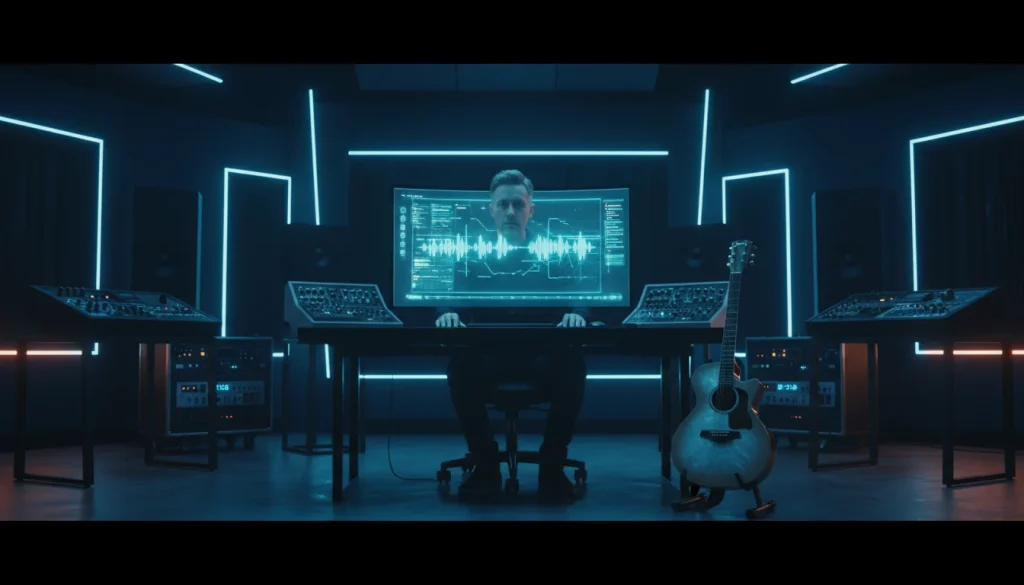
Leading guitar string manufacturer D’Addario, after weeks of public speculation and denial, has formally admitted to using Suno, an AI music generator, in a recent promotional video, a revelation that underscores the critical need for transparency and ethical guidelines for Music Producers navigating the rapidly evolving landscape of AI tools in 2026.
This incident highlights the growing scrutiny over AI-generated content within the music industry and its profound implications for creative integrity and professional practice.
- D’Addario initially denied but later confirmed using Suno AI for music generation in a promotional video.
- The company issued an apology for its misleading statements and heavy-handed comment moderation.
- This event emphasizes the increasing demand for clear transparency regarding AI tool usage in music production.
- Music Producers must now consider the ethical implications and potential disclosure requirements of integrating generative AI into their creative workflows.
The Admission and Apology: A Shift in Stance
For nearly two weeks, D’Addario faced intense scrutiny from the music community regarding a promotional video designed to showcase a new line of extended-range guitar strings. The audio accompanying the demonstration immediately raised red flags among discerning listeners and Music Producers, who suspected the use of artificial intelligence. Initially, the company offered various explanations for the perceived anomalies in the audio, attributing them to factors such as low-quality exports, the effects of audio processing plugins like Autotune, or even the subtle influence of AI-assisted mastering tools from services like LANDR and Logic.
However, the mounting evidence and persistent questioning led D’Addario to reverse its position. In a significant update to its original Instagram post, the company issued a public apology, stating, "We got this wrong. We’ve completed a full review and confirmed that Suno Studio was used to regenerate the original track. We shared inaccurate information, and we’re truly sorry." The statement went on to outline a new policy, emphasizing, "We do not support AI-generated music, and our process will reflect that going forward. We’ll require our employees and creative partners to disclose any use of generative AI, and we’ll more closely review everything we put into the world." This admission marks a pivotal moment for the industry, particularly for Music Producers grappling with the integration of AI.
How the AI Music Generator Controversy Unfolded
The controversy began with a promotional video intended to highlight D’Addario’s new strings for extended-range guitars and low tunings. Almost immediately, observant Music Producers and guitar enthusiasts flagged the accompanying audio recording as suspicious, noting characteristics often associated with AI music generator outputs. As allegations grew, D’Addario attempted to quell the concerns by posting clips of what it claimed were the Logic recording sessions for the demo track.
However, this attempt backfired. Critical listeners quickly identified noticeable melodic and rhythmic discrepancies between the supposed raw Logic session and the finished promotional track. The situation escalated further when guitarist and YouTuber Rhett Shull obtained the original Logic files directly from D’Addario. Even with a generous assessment, Shull concluded that an AI music generator, most likely Suno, had been employed at some stage, probably to "regenerate" an earlier recording. D’Addario’s subsequent admission confirmed these suspicions, validating the community’s keen ear and the increasing sophistication of AI detection among Music Producers.
Implications for Music Producers and AI Tools in 2026
This incident sends a clear message across the music industry: transparency regarding the use of AI tools is no longer optional. For Music Producers, D’Addario’s experience underscores the growing expectation from artists, clients, and audiences for full disclosure when generative AI is utilized in any part of the creative process. The company’s new policy, mandating that employees and creative partners disclose any use of generative AI, sets a precedent that many other organizations may soon adopt.
The debate extends beyond simple disclosure, touching upon the very definition of authenticity and creativity in an era of advanced music AI. As AI tools for music producers become more sophisticated, offering capabilities in AI audio production, AI composition tools, and even AI voice generation, the line between human and machine contribution blurs. This event serves as a stark reminder that while AI offers powerful new avenues for creativity and efficiency, its integration must be handled with integrity and open communication to maintain trust within the professional music community.
Navigating Ethical AI Composition Tools: A Practical Takeaway for Music Producers
The D’Addario controversy offers a crucial practical takeaway for every Music Producer in 2026: proactive transparency and ethical consideration are paramount when engaging with AI music generation technologies. As AI composition tools, AI mastering services like LANDR, and other AI-powered production aids become more prevalent, understanding their capabilities and limitations, as well as the ethical implications of their use, is essential. This isn’t an isolated incident; the guitar world has seen other debates, such as the Fender CEO’s controversial comments comparing bandmates to "analog AI."
Music Producers should establish clear guidelines for themselves and their collaborators regarding the use of generative AI. This includes being explicit about whether an AI music generator was used to create melodies, harmonies, or entire tracks, or if AI audio production tools were employed for mixing and mastering. By adopting a stance of honesty and clear communication, Music Producers can foster trust, uphold creative integrity, and help shape a responsible future for AI in the music industry. The industry is evolving rapidly, and staying informed about best practices for AI tool integration will be a key differentiator for professionals in the coming years.
Frequently Asked Questions
What specific AI music generator did D’Addario admit to using in their promotional video?
D’Addario confirmed they used Suno Studio to regenerate a track for their promotional video, after initially denying any use of artificial intelligence in its creation. This admission followed weeks of public speculation and scrutiny from the music community.
Why is D’Addario’s use of AI music significant for Music Producers in 2026?
This incident is significant because it highlights the critical importance of transparency and ethical disclosure regarding the use of AI tools in creative works, setting a precedent for how companies and individual Music Producers should approach generative AI in their projects. It underscores the need for clear communication to maintain trust within the industry.
What practical steps can Music Producers take to address the ethical considerations of AI tools in their work?
Music Producers should prioritize clear disclosure when utilizing AI composition tools or AI audio production elements in their projects, ensuring clients and collaborators are aware of the technology’s role. Establishing personal guidelines for AI integration and staying informed about evolving industry standards for AI music generation can help navigate these ethical challenges effectively.
The weekly AI briefing for your profession
One weekly email: the AI changes that actually affect your profession — tools, deals, and what to do about them.