العربية
 English
 Français
 Deutsch
 हिन्दी
 Português
 Русский
 Español
 Türkçe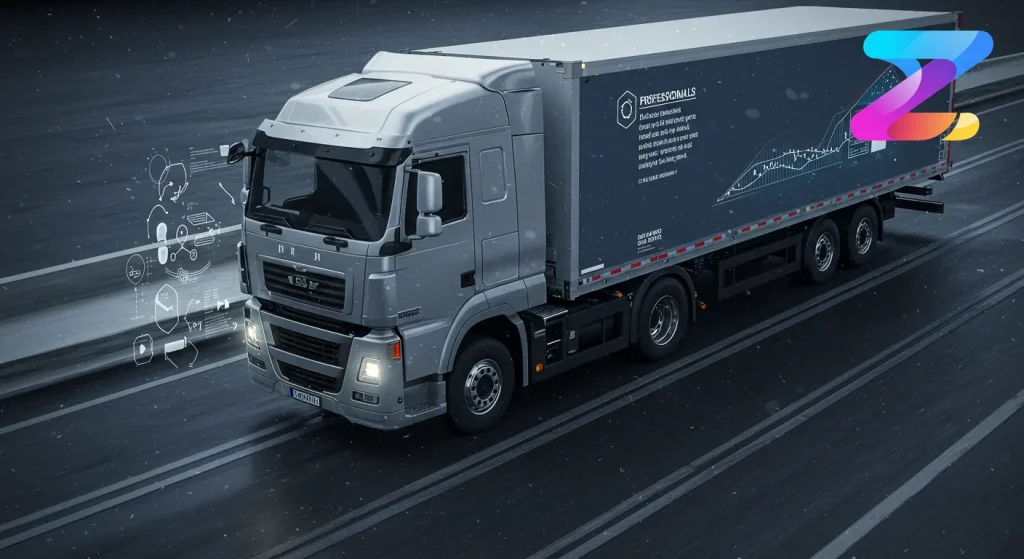
Fleet managers can now predict potential vehicle breakdowns with up to 90% accuracy, weeks before they happen, dramatically slashing unexpected downtime and repair costs across their entire operation.
This isn’t about minor tweaks; it’s a profound shift in how professionals approach fleet management. The daily grind of reactive problem-solving – scrambling to find replacement vehicles, dealing with last-minute repair schedules, or untangling complex incident reports – is giving way to a proactive, data-driven strategy. Fleet professionals, logistics coordinators, and operations managers are moving beyond spreadsheets and intuition, leveraging AI tools to gain unprecedented visibility and control. Instead of merely reacting to events, these artificial intelligence tools enable a forward-looking posture, allowing professionals to anticipate issues, optimize resource allocation, and enhance safety protocols before problems escalate. This fundamental change is elevating the role of the fleet manager from a logistical coordinator to a strategic asset for the business, driving significant AI productivity gains.
What has changed for professionals is the ability to move from hindsight to foresight. Previously, a vehicle incident or unexpected maintenance need would trigger a series of manual investigations and reactive measures. Now, AI workflow automation helps process vast amounts of telematics data, sensor readings, and historical performance logs to identify subtle patterns indicative of future issues. This doesn’t just apply to maintenance; it extends to fuel efficiency, route optimization, and driver behavior analysis, creating a comprehensive digital co-pilot for the entire fleet. The knowledge worker AI capabilities embedded in these systems free up valuable time, allowing professionals to focus on higher-level strategic planning and team development rather than getting bogged down in repetitive, data-intensive tasks.
Before dedicated AI tools for professionals: A fleet manager manually reviewed vehicle maintenance logs, driver reports, and fuel consumption spreadsheets. When a vehicle reported an engine warning light or an unexpected vibration, the manager would typically schedule it for inspection as soon as possible, potentially disrupting a planned route. This reactive approach could take several hours each week just for scheduling and follow-up, often leading to unexpected downtime of a day or more for diagnosis and repair, costing thousands in lost operational time and expedited part delivery.
After implementing an AI-powered predictive maintenance platform: The same fleet manager receives an alert weeks in advance that a specific vehicle’s engine diagnostics indicate an abnormal wear pattern in its fuel injection system, even before a warning light appears. The system might suggest specific diagnostic checks and recommend scheduling routine maintenance during a pre-planned off-peak period or when the vehicle is already due for service. This proactive approach reduces the planning time for unexpected maintenance to mere minutes by integrating with the scheduling system, and slashes unscheduled downtime by over 80%, allowing for planned, cost-effective repairs without operational disruption.
The tools making this possible are a blend of specialized platforms and general-purpose artificial intelligence tools. Core to predictive fleet management are specialized AI-powered telematics and analytics platforms, often integrated directly with vehicle sensors. These systems ingest and interpret real-time data from engine performance, tire pressure, braking patterns, and GPS. They use machine learning algorithms to detect anomalies and predict maintenance needs or optimal routing adjustments. Alongside these dedicated solutions, a Professional might leverage AI productivity tools like Microsoft Copilot or Google Gemini to process and summarize complex reports generated by these fleet systems. For example, Copilot could quickly extract key insights from a lengthy fuel efficiency report or draft a concise summary of driver safety trends for a weekly briefing, greatly enhancing the utility of raw data and aiding in AI workflow automation.
To start this week, a Professional should first identify a critical pain point within their fleet operations that AI could realistically address, such as reducing fuel consumption, minimizing unscheduled maintenance, or improving route efficiency. Next, research existing fleet management platforms that specifically highlight AI integration for predictive analytics or route optimization; many modern systems offer trial periods or demos. Finally, begin a pilot program with a small segment of your fleet or a specific problem area to test the AI’s efficacy and gather initial data. This focused approach will provide concrete evidence of value and help refine your strategy for broader implementation of these powerful AI tools.
The bottom line for professionals is that AI in fleet management isn’t a futuristic concept but a present-day reality offering tangible, measurable benefits. Embracing these AI tools now is not just about staying competitive; it’s about fundamentally rethinking and improving operational safety and efficiency for the long haul.
See Zekai first in Google
The weekly AI briefing for your profession
One weekly email: the AI changes that actually affect your profession — tools, deals, and what to do about them.