العربية
 English
 Français
 Deutsch
 हिन्दी
 Português
 Русский
 Español
 Türkçe
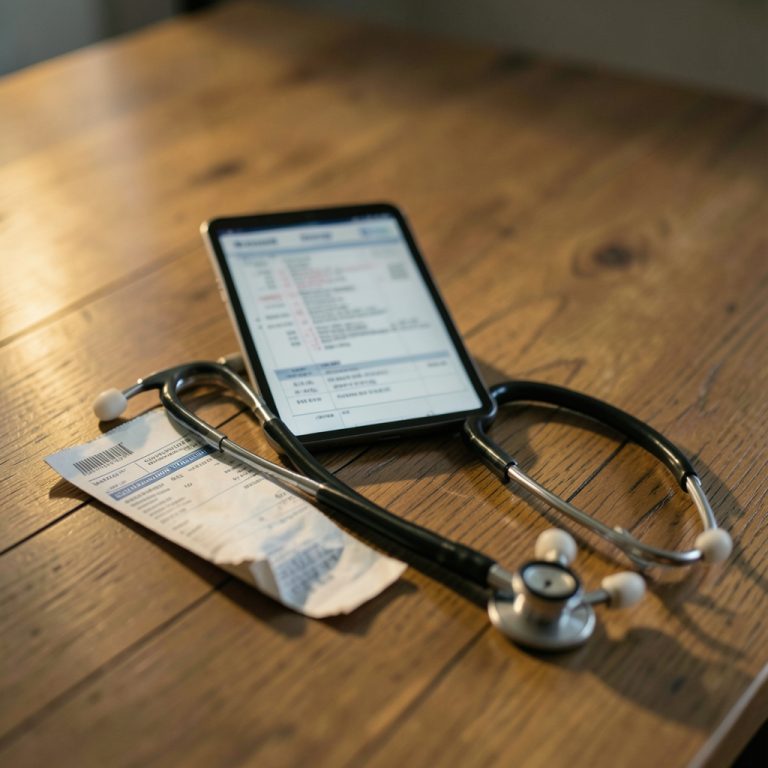
New advancements in AI in healthcare are enabling Doctors to detect Alzheimer’s disease years earlier than previously possible, utilizing patterns identified through brief digital tablet interactions and speech analysis, offering crucial opportunities for earlier intervention and improved patient outcomes.
- AI-powered analysis of digital tablet interactions and speech patterns now offers a non-invasive method for early Alzheimer’s detection.
- This diagnostic AI capability can identify indicators years before advanced imaging or prolonged observation were effective, providing a significant lead time for clinical management.
- The technology bypasses the need for complex, often costly, imaging studies for initial screening, making early detection potentially more accessible.
- For Doctors, this presents a practical tool to integrate into routine assessments, enhancing proactive patient care and disease management strategies.
The Dawn of Proactive Alzheimer’s Management with AI in Healthcare
In 2026, the landscape of neurodegenerative disease diagnostics is undergoing a significant transformation, particularly with the integration of AI in healthcare. A recent breakthrough highlights the capacity of artificial intelligence to identify subtle, yet clinically meaningful, patterns indicative of Alzheimer’s disease years before traditional methods. This development centers on analyzing a patient’s interaction with a digital tablet and their speech, revealing insights that were previously undetectable or required extensive, time-consuming evaluation processes.
For Doctors, this represents a pivotal shift from reactive diagnosis to proactive identification. The ability to spot the earliest markers of Alzheimer’s allows for interventions to begin much sooner, potentially slowing disease progression or improving quality of life through early management strategies. This non-invasive approach leverages everyday technology to gather data, making it a highly scalable and patient-friendly diagnostic pathway.
How Diagnostic AI Tools are Reshaping Early Detection
The core of this innovation lies in sophisticated diagnostic AI algorithms that process vast amounts of data derived from a patient’s digital engagement and vocalizations. These algorithms are trained to recognize minute deviations in cognitive function and speech characteristics that correlate with the onset of Alzheimer’s. Unlike previous methods that relied on advanced medical imaging AI or years of clinical observation, this new approach offers a rapid and accessible screening method.
While specific tools for this particular breakthrough were not named, it exemplifies the broader trend where medical AI is enhancing diagnostic capabilities across various fields. Companies like Aidoc, for instance, are known for their AI solutions in medical imaging, while others like Nuance DAX focus on clinical documentation and ambient intelligence to support Doctors. This new Alzheimer’s detection method aligns with the capabilities of advanced clinical AI to analyze complex data sets for early disease indicators.
What are the Practical Implications for Doctors?
For working Doctors, this development translates into a powerful new weapon in the fight against Alzheimer’s. Imagine a scenario where a few minutes of interaction with a digital device during a routine check-up could flag a patient at high risk, prompting further investigation and early care planning. This could alleviate the burden of late-stage diagnoses, where treatment options are often limited.
The practical takeaway for Doctors is to anticipate the integration of such AI tools into primary care and specialist settings. As these technologies mature, they will offer an invaluable layer of early screening, enabling personalized care pathways to be established much earlier. This proactive stance could significantly impact patient outcomes and resource allocation within healthcare systems.
Integrating Medical AI into Clinical Workflows
The adoption of medical AI tools like this will require careful integration into existing clinical workflows. Doctors will need to understand how to interpret the AI’s findings, how to communicate these findings to patients, and how to combine AI-derived insights with their own clinical judgment. Training and support will be crucial to ensure these powerful diagnostic AI capabilities are utilized effectively and ethically.
As the field of healthcare AI continues to expand, with innovators like DeepMind Health and Google Health AI pushing boundaries, the focus remains on creating tools that genuinely empower clinicians. This Alzheimer’s detection method is a prime example of how AI can serve as an invaluable assistant, extending a Doctor’s diagnostic reach and ultimately benefiting patient populations worldwide.
Frequently Asked Questions
How does AI detect Alzheimer’s years earlier than traditional methods?
AI analyzes subtle patterns in a patient’s digital tablet interactions and speech, identifying cognitive and linguistic markers that indicate early Alzheimer’s disease long before symptoms become obvious or advanced imaging can confirm. This provides a non-invasive and potentially faster screening method.
What specific AI tools or companies are behind this Alzheimer’s detection breakthrough?
The news report highlights the *capability* of AI combined with digital interaction and speech analysis, rather than naming a specific proprietary tool or company for this particular breakthrough. However, it aligns with the broader advancements seen in diagnostic AI and clinical AI from companies developing similar technologies.
What is the most practical takeaway for Doctors regarding this new AI development?
The most practical takeaway for Doctors is the potential for integrating a rapid, non-invasive AI-powered screening tool into routine patient assessments. This enables significantly earlier identification of Alzheimer’s risk, allowing for proactive care planning and interventions years before traditional diagnostic pathways.
See Zekai first in Google
The weekly AI briefing for your profession
One weekly email: the AI changes that actually affect your profession — tools, deals, and what to do about them.