العربية
 English
 Français
 Deutsch
 हिन्दी
 Português
 Русский
 Español
 Türkçe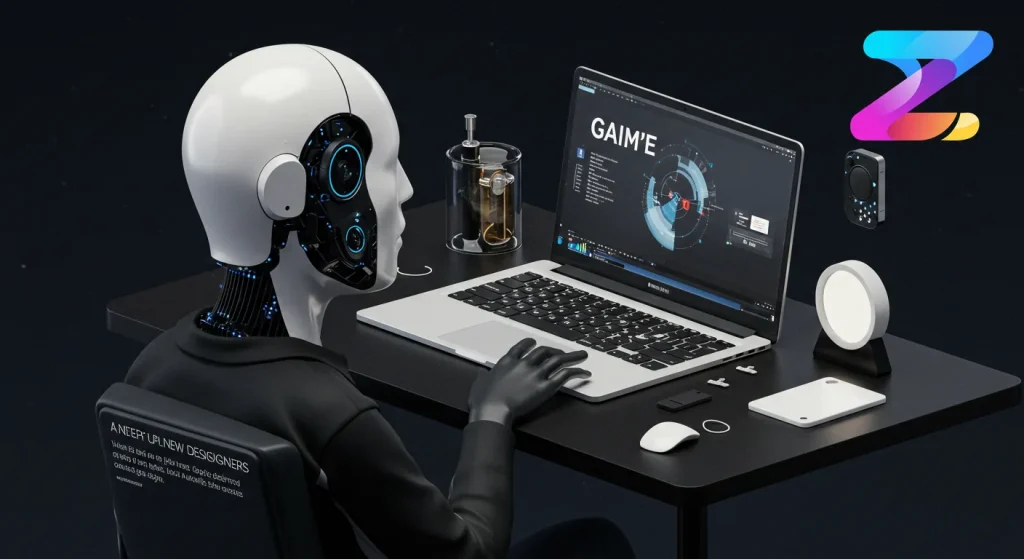
A significant point of discussion has emerged in the design world following the announcement that G’AIM’E Time Crisis+ is set to launch on January 30, 2026. This isn’t just about a new retro gaming console; for Graphic Designers, its emphasis on “chunky arcade authenticity” and “pedal-powered nostalgia” serves as a timely reminder and a stark contrast to the rapidly accelerating adoption of artificial intelligence tools in creative workflows.
For Graphic Designers, this launch highlights a crucial inflection point. While the G’AIM’E system, priced at £99.99 for the console+gun or £199.99 for the Ultimate version, taps into a collective yearning for tangible, physical interaction and meticulously crafted hardware, the design industry itself is grappling with the increasingly abstract and often impersonal output of generative AI design. The appeal of G’AIM’E lies in its fidelity to original hardware design, the tactile experience of holding a lightgun, and the visceral engagement with a pedal—elements that underscore the value of bespoke, intentional creation. This nostalgia for a physical past pushes Graphic Designers to consider what elements of their craft are truly irreplaceable by algorithms, and how to infuse human authenticity into designs that may increasingly leverage AI image generation or other AI creative tools.
Understanding the enduring allure of retro experiences, like those offered by G’AIM’E’s collection of Namco classics, can inform how Graphic Designers approach their work in an AI-dominated future. It’s about more than just aesthetics; it’s about the underlying design principles that create memorable, engaging experiences. As AI tools for graphic designers become more sophisticated, the challenge shifts from pure execution to thoughtful curation and strategic application. The demand for designs that resonate on a deeper, human level—whether through bespoke branding, unique editorial layouts, or interactive digital experiences—will only intensify, urging Graphic Designers to blend technological efficiency with genuine creative intent.
To navigate this evolving landscape, Graphic Designers should familiarize themselves with key AI tools that are shaping the industry. Platforms like Adobe Firefly, integrated directly into creative workflows, offer capabilities for quick content generation, style variation, and object removal, enabling faster iterations. Midjourney, known for its advanced AI image generation, provides immense creative scope for generating unique visual concepts and exploring diverse aesthetic directions. These tools, while powerful, still require the keen eye and discerning taste of a human Graphic Designer to refine prompts, select the best outputs, and integrate them into a cohesive design vision that retains its authenticity and aligns with project goals. The true value lies not in replacing human creativity but in augmenting it, freeing up time for higher-level conceptual thinking and strategic design decisions.
“In an age where AI can conjure almost anything with incredible speed, the success of G’AIM’E reminds us that bespoke experiences and a connection to design history still resonate deeply with audiences,” observes Lena Khan, a design strategist specializing in brand authenticity. “Graphic Designers have a unique opportunity to lead by example, demonstrating how human intentionality, a reverence for craft, and the thoughtful application of artificial intelligence tools can create designs that truly stand the test of time and foster genuine connection. It’s about leveraging the new while never forgetting the essence of what makes design impactful.”
Graphic Designers can begin to integrate these considerations into their work this week by taking proactive steps. First, experiment with an AI image generation tool like Adobe Firefly or Midjourney to understand its capabilities and limitations, focusing on how it can assist in concept development or generating quick mock-ups, rather than simply creating final assets. Second, conduct a small personal project where you intentionally blend AI-generated elements with traditionally designed components, reflecting on how the human touch elevates or refines the AI output. Third, engage in discussions with peers about the ethical implications and creative opportunities presented by AI tools, fostering a community of informed Graphic Designers who can collectively navigate this exciting new era of design.
The launch of G’AIM’E Time Crisis+ isn’t just a blast from the past; it’s a powerful contemporary reminder for Graphic Designers about the enduring value of human-centric design in an increasingly AI-driven world. By embracing new AI creative tools while championing authenticity and tactile experience, Graphic Designers can ensure their craft remains indispensable and deeply resonant.
Frequently Asked Questions
How can Graphic Designers maintain design authenticity when using AI tools?
Graphic Designers can maintain authenticity by treating AI tools as assistants for concept generation or iteration, not as replacements for their creative vision. They should focus on refining AI outputs, injecting unique style, and ensuring the final design reflects human intentionality and strategic thought.
Will AI tools for graphic designers eventually replace human designers?
While AI tools will automate many routine tasks, the nuanced understanding of human emotion, cultural context, and strategic branding that Graphic Designers bring to their work remains critical. AI will likely augment and change the role of designers rather than fully replace them.
See Zekai first in Google
The weekly AI briefing for your profession
One weekly email: the AI changes that actually affect your profession — tools, deals, and what to do about them.