

Automate social media visuals, e-commerce banners, and more by connecting your designs to an API.
Generate thousands of image and video variations from a single template, with or without code.
 Vectorizer.ai
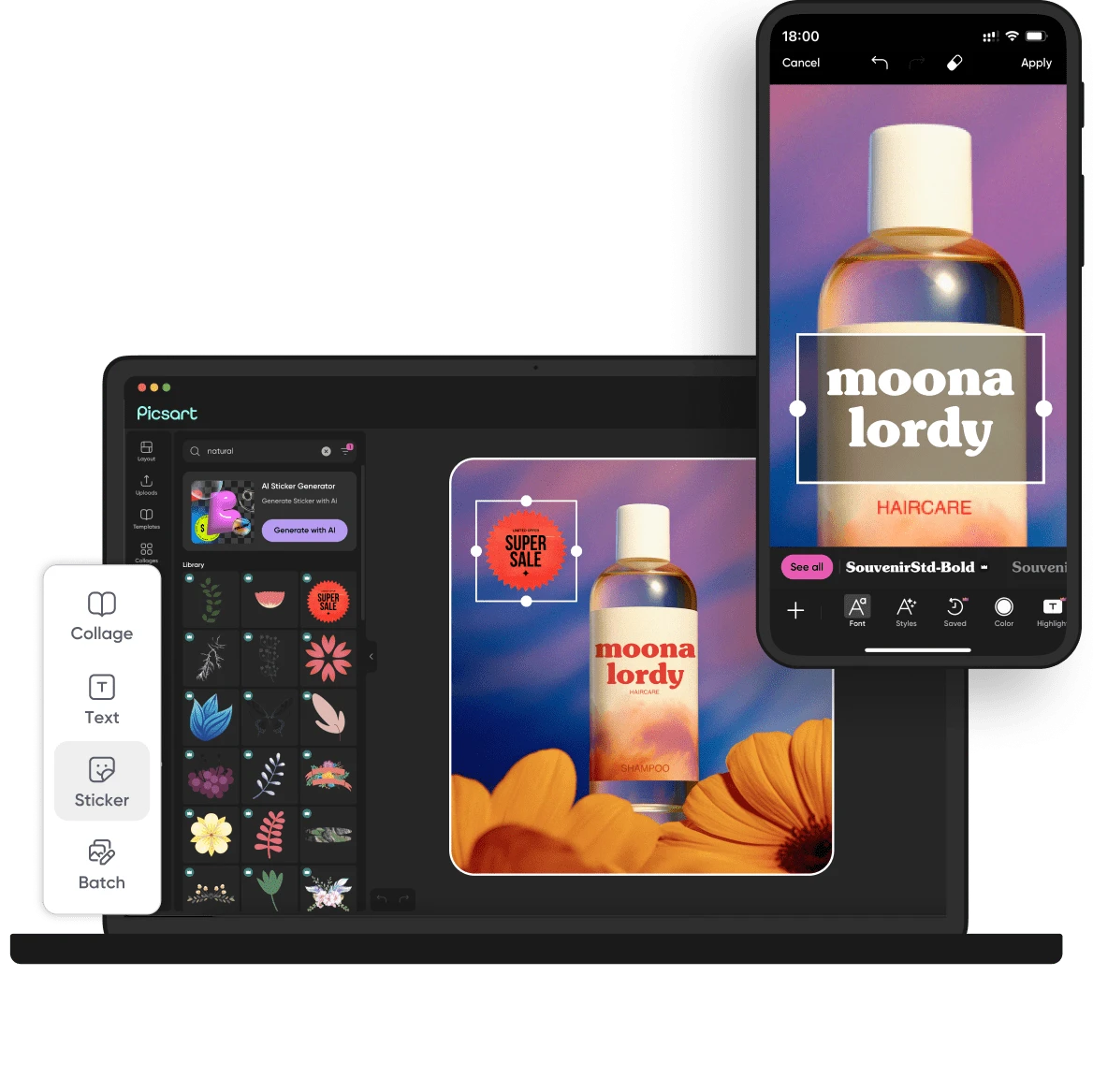 Picsart
 Figma
Figma Mockuuups Studio
 Khroma
 Remini
Top Generative AI for Graphic Designers & Creative Arts picks
See all 90 Generative AI for Graphic Designers & Creative Arts tools →For graphic designers looking to automate high-volume, repetitive tasks, Bannerbear is a top choice. It allows you to create a single design template and then programmatically generate thousands of variations for social media, e-commerce, or emails using its API and no-code integrations like Zapier and Airtable. This shifts your focus from manual production to scalable design systems.
Your workflow, automated
Before & After
Manually creating dozens of visual variations for campaigns.
Days per campaignAutomatically generate thousands of on-brand visuals from a single template.
Minutes per batchTry it with these prompts
Copy any prompt and paste it directly into the tool.
Create a social media graphic using a specific template. Input the template ID and the text you want to display on the image, such as a promotional message or a user's name.
Automatically generate a featured image for a blog post. Provide the blog post title and description, and Bannerbear will use a template to create a consistent visual asset.
Generate e-commerce banners with dynamic content. Input product details, pricing, or promotional text into a predefined template to create visually appealing banners for online stores.
Trusted by professionals
Works with your existing stack
How it compares
Bannerbear vs. Cloudinary: Choose Bannerbear when your primary goal is templated image and video generation via a simple API or no-code tools like Zapier and Airtable. Its strength lies in its user-friendly template editor and straightforward automation workflows. Cloudinary is a more comprehensive digital asset management (DAM) and manipulation platform. Choose Cloudinary if you need advanced, on-the-fly transformations, complex video processing, and a full suite of asset storage and delivery optimization features. For pure template-to-asset automation, Bannerbear is often faster to implement and more focused.
Is it worth it?
Why Graphic Designers & Creative Arts choose this tool
Key Use Cases
Bannerbear is an exceptional tool for any designer looking to escape the grind of repetitive production work. Its API-first approach, combined with strong no-code integrations, makes scaling visual content almost effortless. The main trade-off is its reliance on templates; it's not a creative ideation tool, but a production powerhouse for existing design systems.
Frequently asked questions
What is the best AI tool for automating social media graphic creation?
How can I automatically generate images from a spreadsheet?
Is there an API for creating dynamic images for email marketing campaigns?
Which tool is best for batch-creating personalized banners with AI?
How long do images take to render in Bannerbear?
Can I use custom fonts in my designs?
Last reviewed:
Start today
Prices and features are updated regularly but can change at any time — always confirm on the official website. Some links on this page are affiliate links.
Top 10 AI tools in this category

Take it with you
- Why Automation is Your New Superpower
- Understanding Bannerbear's Core Concept: Templates + Data
- Key Features: Image, Video, and PDF Generation
- Use Cases: Social Media, E-commerce, and Personalized Marketing
- Connecting to Your Favorite Tools (No-Code & API)
Get Bannerbear deal alerts
Be the first to know when Bannerbear drops a new discount, adds features, or changes pricing.
Latest AI news


About Bannerbear
Full Description
Bannerbear is an API-driven tool for graphic designers to automate the creation of social media visuals, e-commerce banners, and dynamic images. By creating reusable templates, you can generate thousands of variations programmatically, saving significant time on repetitive design tasks.
Editorial Verdict
Bannerbear is an exceptional tool for any designer looking to escape the grind of repetitive production work. Its API-first approach, combined with strong no-code integrations, makes scaling visual content almost effortless. The main trade-off is its reliance on templates; it's not a creative ideation tool, but a production powerhouse for existing design systems.


